Industrial Style Metal Car Decor Clock DXF Laser Cut File
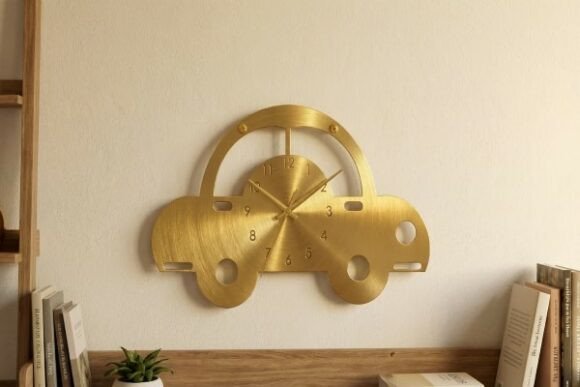
There is a distinct satisfaction in transforming a flat sheet of steel into a functional piece of art. For hobbyists, small business owners, and DIY enthusiasts, the Metal Car Decor Clock DXF Laser Cut File offers a perfect entry point into industrial-style fabrication. This isn’t just a digital download; it is a blueprint for creating a rugged, automotive-themed timepiece that fits seamlessly into garages, workshops, man caves, or modern living spaces. The design captures the essence of mechanical precision, appealing to anyone who appreciates the raw aesthetic of exposed metal and gear-driven imagery.
When you purchase this ready-to-cut DXF CNC laser cut file, you are acquiring more than a shape. You are getting a tested vector path optimized for specific material thicknesses, designed to minimize waste and maximize structural integrity. However, the true value lies in what you do with it. This project requires engagement. It demands cutting, bending, and painting. It asks you to get your hands dirty, to smell the ozone from the laser cutter or the sparks from the plasma table, and to feel the weight of the finished product. That tactile connection is why physical crafts remain popular in an increasingly digital world.
Understanding the Design and Material Requirements
The core of this project is the DXF file itself. DXF (Drawing Exchange Format) is the universal language of computer-aided design and manufacturing. It ensures that whether you are using a fiber laser, a CO2 laser with metal capabilities, or a plasma cutter, the machine reads the lines exactly as intended. This specific Metal Car Decor Clock DXF Laser Cut File is engineered for 1.5 mm sheet metal. This thickness is a sweet spot for decorative wall clocks. It is thick enough to hold its shape and provide a substantial feel, yet thin enough to cut quickly without excessive power consumption or edge distortion.
It is crucial to understand that this is not a "print and hang" paper craft. The design accounts for the physical properties of metal. After the laser finishes its work, the edges will be sharp. They may have burrs—tiny, jagged remnants of the cutting process. This is normal. Part of the workflow involves cleaning these edges with sandpaper or a deburring tool. This step is not just about safety; it is about quality. A smooth edge accepts paint better, feels better to the touch, and signals professional craftsmanship. Ignoring this step results in a product that looks unfinished and can easily damage handling gloves or skin.
Real-World Applications and Use Cases
Who actually uses a metal car decor clock? The answer is broader than you might think. While the automotive theme is obvious, the application varies widely across different user groups.
- Automotive Enthusiasts and Mechanics: For the person who spends their weekends restoring classic cars or tuning engines, this clock serves as a badge of identity. It belongs on the wall of the garage, above the workbench, or in the break area of a professional auto shop. It reinforces the culture of precision and mechanics that defines their daily life.
- Interior Designers and Home Stagers: Industrial chic is a enduring trend. Exposed brick, reclaimed wood, and blackened steel are staples of modern loft-style interiors. This clock acts as a focal point. It adds texture and visual interest to a blank wall without overwhelming the space. Designers use it to bridge the gap between rustic warmth and modern minimalism.
- Etsy Sellers and Small Business Owners: For entrepreneurs looking to expand their product line, this DXF file represents low-risk inventory. Unlike pre-made goods, you only cut what you sell. You can offer customization options—different powder coat colors, distressed finishes, or paired with wooden backings. The Metal Car Decor Clock DXF Laser Cut File allows for rapid prototyping and scalable production.
- Gift Givers: Finding gifts for people who "have everything" is difficult. A handmade, industrial-style clock is personal. It shows effort. Whether for Father’s Day, a housewarming, or a retirement gift for a long-time mechanic, the item carries emotional weight because it was fabricated, not just purchased off a shelf.
The Fabrication Process: From File to Finish
Owning the file is only the first step. The transformation from digital vector to physical object involves three critical stages: cutting, forming, and finishing. Each stage presents opportunities for creativity and quality control.
Cutting: Ensure your laser cutter is calibrated for 1.5 mm steel. If you are using a plasma cutter, expect a wider kerf and more slag, which will require additional grinding. The DXF file is optimized for laser precision, so sticking to laser cutting yields the cleanest results. Secure your sheet metal properly to prevent movement during the cut, which can ruin the geometry of the clock face.
Bending and Assembly: Depending on the specific design details within the DXF, some elements may require slight bending to create depth or to attach mounting hardware. This is where the "industrial" look comes alive. Slight imperfections in bending can add character, but consistency is key if you are producing multiple units. You will need to install a standard clock mechanism. These are inexpensive and widely available. Ensure the hole cut for the mechanism shaft is precise; if it is too loose, the clock hands will wobble. If it is too tight, you risk damaging the mechanism during installation.
Painting and Finishing: This is where you define the aesthetic. Raw steel will rust if left untreated, so sealing is mandatory. You have several options:
- Powder Coating: This provides a durable, uniform finish. Matte black is a popular choice for industrial styles, but metallic copper or bronze can create a high-end look.
- Spray Paint: Accessible and easy for beginners. Use a primer designed for metal. Multiple light coats are better than one heavy coat, which can drip and obscure fine details.
- Patina and Distressing: For a vintage look, you can use chemical patinas to age the metal, then seal it with a clear coat. This mimics the look of aged automotive parts.
Remember to remove all oil and debris from the metal before painting. Any residue will cause the paint to peel over time. A quick wipe with acetone or a dedicated degreaser makes a significant difference in longevity.
Considerations Before You Start
Before downloading or purchasing the Metal Car Decor Clock DXF Laser Cut File, assess your capabilities and resources. Do you have access to a laser cutter capable of handling metal? If not, do you have a relationship with a local fab lab or job shop that can cut it for you? Many makers outsource the cutting while handling the finishing and assembly themselves. This hybrid approach reduces equipment costs while maintaining creative control.
Consider the cost of materials. While 1.5 mm sheet metal is relatively affordable, prices fluctuate based on steel type (cold rolled vs. hot rolled) and location. Calculate your material cost per unit, including gas for the laser, electricity, and finishing supplies. This helps in pricing your final product competitively if you plan to sell it.
Also, think about the clock mechanism. Not all mechanisms are created equal. For a metal clock, ensure the shaft length is sufficient to pass through the metal and accommodate any backing material or nuts used for securing it. Silent, non-ticking movements are preferable for indoor residential use, while standard tickers might be acceptable for noisy workshop environments.
Why This Project Matters
In a world of mass-produced plastic decor, there is a growing appreciation for objects with weight, history, and human touch. The Metal Car Decor Clock DXF Laser Cut File enables creators to participate in this movement. It allows for the creation of something durable and meaningful. Whether you are building a brand, decorating your home, or learning a new skill, this project offers tangible rewards. It teaches patience, precision, and the value of finishing touches. It connects the digital precision of CNC technology with the analog satisfaction of manual assembly. Ultimately, it turns a simple sheet of metal into a statement piece that tells time and tells a story.