Industrial Metal Clock DXF Laser Cut File Guide
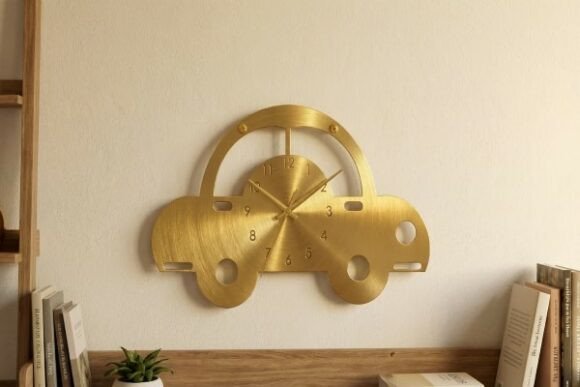
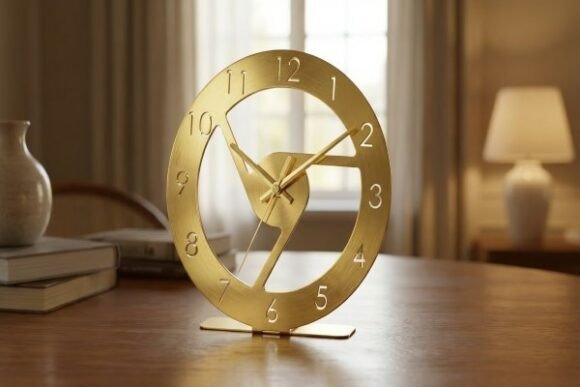
There is a distinct satisfaction in transforming a flat sheet of steel into a functional piece of industrial art. For makers, designers, and hobbyists, the Metal Clock DXF Laser Cut File represents more than just a digital download; it is a blueprint for creating a durable, high-end desktop accessory that commands attention. Unlike wood or acrylic projects, working with metal introduces a level of permanence and sophistication that elevates any workspace or home decor. This guide explores how utilizing a ready-to-cut DXF file for a CNC laser cutter can streamline your creative process while delivering professional-grade results.
Why Choose a Pre-Designed DXF for Metal Fabrication?
Designing for metal fabrication requires a specific understanding of material behavior, kerf width, and structural integrity. When you start from scratch, the learning curve can be steep. A pre-designed Metal Clock DXF Laser Cut File eliminates the initial design hurdles, allowing you to focus on execution and finish quality. These files are typically optimized for specific material thicknesses, such as the recommended 2 mm sheet metal, ensuring that tabs, bends, and joints fit together seamlessly without excessive trial and error.
For professionals and small business owners, time is a critical resource. By using a tested vector file, you reduce the risk of material waste caused by design errors. This efficiency is particularly valuable when working with expensive metals like stainless steel or brass. Instead of spending hours troubleshooting why a joint doesn’t align, you can proceed directly to cutting, knowing the geometry has already been validated for industrial-style assembly.
Understanding the Industrial Aesthetic
The appeal of an industrial-style clock lies in its raw, mechanical beauty. It exposes the mechanics of timekeeping rather than hiding them behind a decorative face. This design philosophy resonates with modern interior trends that favor minimalism, functionality, and exposed materials. A desktop clock made from sheet metal fits perfectly in offices, studios, and living spaces that embrace a loft or warehouse aesthetic.
When you use a Metal Clock DXF Laser Cut File, you are not just making a clock; you are curating an atmosphere. The weight of the metal, the precision of the laser cuts, and the potential for custom finishes allow you to create a piece that feels substantial and intentional. This tangible quality is something that mass-produced plastic clocks simply cannot replicate. For entrepreneurs looking to sell unique home goods, this aesthetic offers a strong selling point because it appeals to consumers seeking authenticity and craftsmanship.
The Fabrication Process: From File to Finish
While the digital file simplifies the design phase, the physical creation process requires attention to detail. Working with 2 mm sheet metal involves three primary stages: cutting, bending, and finishing. Each step plays a crucial role in the final outcome.
Precision Cutting and Burrs Management
The first step is loading your DXF file into your CNC laser software. Ensure your settings are calibrated for 2 mm metal to achieve clean cuts. However, laser cutting metal often leaves behind sharp edges and microscopic burrs. This is a normal part of the process but requires immediate attention. As noted in standard fabrication practices, after cutting the drawings, you must clean the edge cutting burrs of the metal accessories with sandpaper. Skipping this step can result in poor fit during assembly and potential injury during handling. Taking the time to deburr each piece ensures that bends are crisp and that the final paint adhesion is uniform.
Bending and Assembly
Once the pieces are cut and cleaned, the next phase is bending. Most industrial clock designs rely on precise angles to form the clock’s body or stand. Using a brake or a sturdy vise with a hammer allows you to achieve these bends. Because the Metal Clock DXF Laser Cut File is designed for specific dimensions, the bend lines should align perfectly with the cut edges. If the burrs were not removed, the metal might not bend cleanly, leading to gaps or misalignments. Patience here pays off, as accurate bends ensure the clock stands level and the mechanism fits securely.
Painting and Surface Treatment
The final stage is where your personal style shines through. Raw metal can oxidize over time, so applying a protective finish is both aesthetic and practical. You might choose a matte black powder coat for a sleek, modern look, or a clear sealant to preserve the natural metallic sheen. Before painting, ensure the surface is free of oils and dust. A primer designed for metal will help the topcoat adhere better and last longer. This customization capability means that no two clocks need to look alike, even if they start from the same DXF file.
Who Benefits Most from This Project?
This project is ideal for a diverse range of creators. Hobbyists gain valuable experience in metalworking without the complexity of welding or heavy machining. Educators can use it to teach students about vector design, material science, and precision manufacturing. Small business owners and entrepreneurs can leverage these files to create inventory for online marketplaces, offering a product that feels handmade yet professionally engineered.
Additionally, interior designers and architects may find value in creating bespoke fixtures for client projects. Having a reliable DXF file allows for rapid prototyping and customization. You can easily scale the design or modify certain elements to fit specific spatial requirements, provided you maintain the structural integrity of the 2 mm material specification.
Practical Considerations and Limitations
While the benefits are significant, it is important to approach this project with realistic expectations. Working with metal requires specific tools. You will need access to a fiber laser cutter capable of handling 2 mm steel, as CO2 lasers generally cannot cut metal effectively. If you do not own such equipment, local maker spaces or contract manufacturing services can perform the cutting for you.
Furthermore, safety is paramount. Metal edges are sharp, and grinding or sanding creates fine particulates. Always wear appropriate personal protective equipment, including gloves, eye protection, and respiratory masks when sanding or painting. The requirement for bending also means you need the right tools to achieve precise angles. Without proper bending equipment, the final assembly may look uneven or fail to stand correctly.
Another consideration is the weight of the final product. A metal clock is significantly heavier than its wooden or plastic counterparts. Ensure that the surface where you place the clock is stable and capable of supporting the weight. This heaviness, however, contributes to the premium feel of the item, making it less likely to be knocked over accidentally.
Maximizing Value Through Customization
To get the most out of your Metal Clock DXF Laser Cut File, consider experimenting with different metal types. While mild steel is common and affordable, stainless steel offers corrosion resistance and a modern look, while brass or copper can add warmth and vintage charm. Each material reacts differently to cutting and finishing, so adjust your speeds and feeds accordingly.
You can also enhance the design by integrating different textures. For example, leaving some surfaces raw and brushed while painting others can create visual contrast. Adding a high-quality quartz movement ensures accurate timekeeping, completing the transformation from a simple metal sheet to a reliable daily companion.
In conclusion, using a ready-to-cut DXF file for a metal clock is a smart choice for anyone looking to blend industrial design with practical craftsmanship. It saves time, reduces waste, and provides a solid foundation for creativity. By following proper fabrication techniques—cutting, deburring, bending, and painting—you can produce a high-quality object that stands out in any setting. Whether for personal enjoyment or commercial sale, this project offers a rewarding blend of technical skill and artistic expression.