Evaluating Layered Mandala SVG and Multi Layer Mandala Designs for Paper Crafts
In the realm of digital crafting, precision and aesthetic complexity often go hand in hand. For hobbyists and professional designers alike, the Layered Mandala SVG represents a sophisticated approach to creating intricate wall art and decorative items. Unlike standard single-layer cut files, a Multi Layer Mandala utilizes depth, shadow, and overlapping geometric patterns to produce a three-dimensional effect from flat materials such as cardstock, vinyl, or wood. Understanding the technical requirements, design benefits, and practical applications of these files is essential for anyone considering incorporating them into their creative workflow.
Understanding the Design Structure
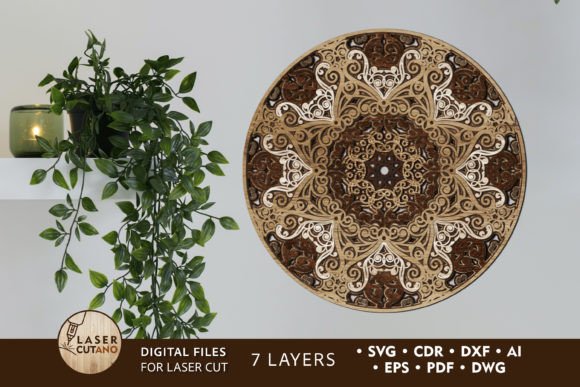
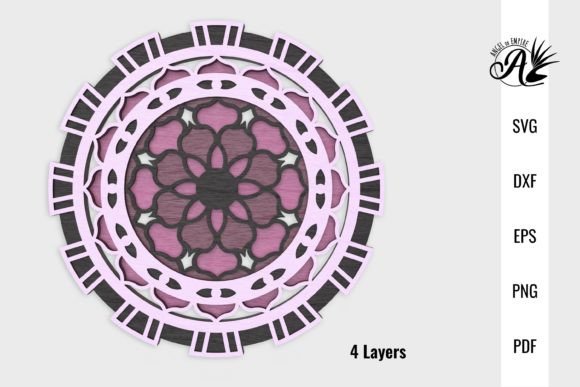
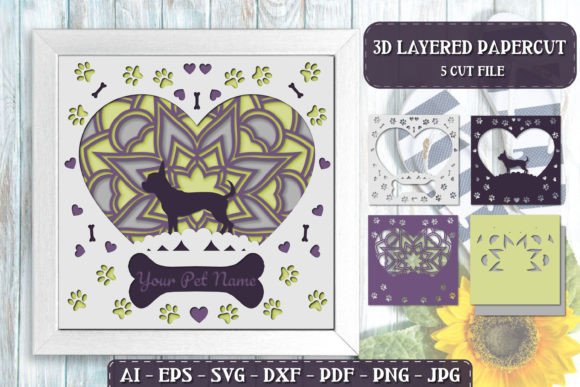
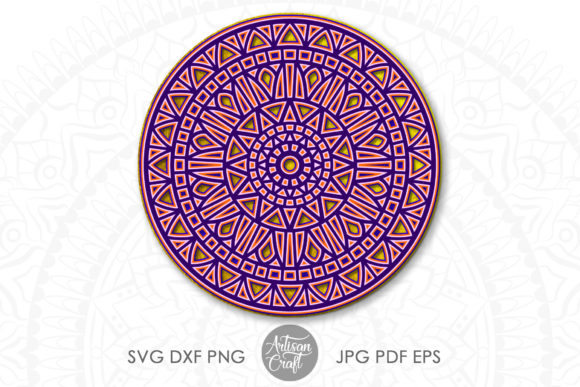
A mandala is traditionally a geometric configuration of symbols, often representing spiritual significance in various Asian traditions. In modern digital crafting, this concept is translated into vector graphics that cutting machines can interpret. The uniqueness of a Layered Mandala SVG lies in its symmetry and the deliberate separation of design elements into distinct layers. Each layer corresponds to a specific piece of material that must be cut and assembled in a particular order.
This multi-layered approach transforms a two-dimensional image into a textured object. When executed correctly, the interplay of light and shadow between the layers gives the end product a wonderful, elegant look. The symmetry of forms and shapes ensures visual balance, making these designs particularly suitable for central focal points in home decor, such as wall hangings, framed art, or centerpiece decorations.
Technical Specifications and File Compatibility
When evaluating digital downloads for crafting, file format compatibility is a primary consideration. A comprehensive Layered Mandala SVG package typically includes multiple file types to ensure usability across various software platforms and hardware capabilities. Understanding these formats helps users determine if the product aligns with their existing tools.
- SVG (Scalable Vector Graphics): This is the most common format for web-based cutting software like Cricut Design Space. It allows for infinite scaling without loss of quality, ensuring crisp cuts regardless of the final project size.
- DXF (Drawing Exchange Format): Often required for users of Silhouette Studio Basic Edition or CAD applications like Autodesk. It serves as a reliable alternative when SVG import features are limited or unavailable.
- PNG (Portable Network Graphics): Provided with a transparent background, this raster image is useful for digital stamping, clipart integration, or previewing the design before cutting.
- JPG (Joint Photographic Experts Group): A standard image file with a white background, suitable for general printing or reference purposes.
- EPS (Encapsulated PostScript): Preferred by professional graphic designers using Adobe Illustrator or Corel Draw for advanced editing and manipulation of vector paths.
- PDF (Portable Document Format): Useful for direct printing or viewing the layered structure without specialized design software.
These files are typically bundled in a Zip folder, requiring extraction before use. The standard artwork size for many of these designs is 12″ x 12″, which fits comfortably within the cutting mats of most consumer-grade machines. However, because they are vector-based, users can resize the Multi Layer Mandala to fit larger or smaller projects, provided their machine’s physical cutting area allows it.
Software and Hardware Requirements
To successfully utilize a Layered Mandala SVG, users need compatible software and hardware. The files are suited for use in popular design programs such as Adobe Illustrator, Inkscape, Silhouette Studio, and Cricut Design Space. Additionally, they are compatible with laser cutting systems like Glowforge, offering versatility for those working with materials beyond paper, such as acrylic or thin wood.
It is important to note that while the digital file is universal, the physical execution depends on the precision of the cutting machine. Die-cutting machines and electronic plotters like the Cricut and Silhouette Cameo are ideal for these projects. Users should ensure their blades are sharp and their mats are clean to achieve the intricate details inherent in mandala designs.
Benefits of Multi-Layered Designs
The primary advantage of choosing a Multi Layer Mandala over a single-layer design is the visual depth. By stacking different colors or textures, crafters can create a sense of dimensionality that flat prints cannot achieve. This makes the final product appear more expensive and professionally crafted. Furthermore, the modular nature of layered designs allows for customization. Crafters can experiment with color palettes, using contrasting tones to highlight specific rings of the mandala or monochromatic schemes for a subtle, elegant effect.
Another benefit is the educational value. Assembling a multi-layer project teaches patience, precision, and spatial reasoning. It encourages crafters to think about construction methods, adhesive choices, and alignment techniques, thereby enhancing their overall skill set.
Considerations and Tradeoffs
While visually striking, Layered Mandala SVG projects come with specific challenges. The most significant tradeoff is the time investment. Cutting multiple layers increases machine runtime, and the assembly process requires careful alignment. A slight misalignment in one layer can disrupt the symmetry of the entire piece. Therefore, these projects may not be suitable for individuals seeking quick, last-minute crafts.
Additionally, material waste can be higher compared to simpler designs. Each layer requires a separate sheet of material, and intricate cuts often result in small offcuts that cannot be reused. Crafters should consider the cost of materials, especially if using premium cardstocks or specialty papers.
Complexity also varies. Some mandalas feature extremely fine details that may tear if the paper quality is too low or if the blade pressure is too high. Users must test settings on scrap material before committing to the final cut. This trial-and-error phase is a necessary part of working with intricate vector files.
Ideal Use Cases
A Layered Mandala SVG is a strong fit for several specific scenarios:
- Home Decor: Framed mandala art serves as a sophisticated accent in living rooms, bedrooms, or meditation spaces.
- Gift Giving: Handcrafted, layered paper art demonstrates significant effort and thoughtfulness, making it an excellent personalized gift.
- Skill Development: For crafters looking to advance from basic cuts to complex assemblies, these files provide a structured challenge.
- Commercial Products: Designers selling handmade goods on platforms like Etsy can use these files to create unique, high-value items, provided they adhere to the licensing terms of the digital download.
When to Consider Alternatives
There are situations where a Multi Layer Mandala may not be the best choice. If a user is a beginner with limited experience in weeding small cuts or aligning layers, a single-layer mandala or a simpler geometric pattern might be more appropriate. Similarly, if the goal is rapid production for events or bulk sales, the time-intensive nature of layered assembly may hinder efficiency.
Furthermore, if a crafter does not have access to a cutting machine and relies solely on printing, the benefits of the SVG format are lost. In such cases, a high-resolution printable PNG or JPG might be sufficient, though it will lack the tactile depth of a cut-and-assembled project.
Making an Informed Decision
Choosing to work with a Layered Mandala SVG involves balancing aesthetic desires with practical constraints. These files offer a pathway to creating mesmerizing, elegant wall art and paper crafts that stand out due to their symmetry and depth. However, success depends on having the right software, hardware, and patience for detailed assembly.
Before purchasing a digital download, users should verify that their software supports the included file types, particularly SVG and DXF. They should also assess their comfort level with intricate cutting and layering processes. For those willing to invest the time and attention to detail, a Multi Layer Mandala provides a rewarding creative experience and a stunning final product. For others, starting with simpler designs may build the necessary confidence and skill before tackling complex layered structures.