Creating Dimensional Wall Art with Layered MANDALA Laser and Paper Cut Designs
In the evolving world of digital fabrication and home decor, few trends have captured the imagination of makers and interior designers quite like the resurgence of intricate, multi-dimensional wall art. At the forefront of this movement is the Layered MANDALA Laser and Paper Cut technique. This method transforms flat, two-dimensional digital files into stunning, three-dimensional sculptures that play with light, shadow, and depth. For hobbyists, professional crafters, and design enthusiasts, understanding how to leverage these layered designs can elevate a simple crafting project into a sophisticated piece of architectural decor.
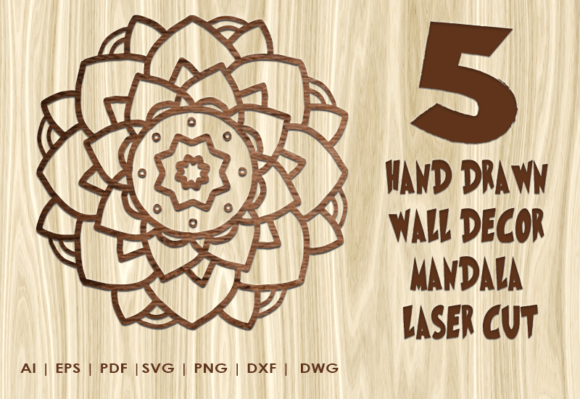
The appeal of a layered mandala lies in its complexity and symmetry. A mandala, traditionally a spiritual and ritual symbol in Hinduism and Buddhism representing the universe, has become a popular motif in modern design due to its geometric precision and aesthetic balance. When applied through laser cutting or paper crafting, these patterns are not just printed; they are physically constructed layer by layer. This process creates a tangible sense of depth that flat prints simply cannot achieve. Whether you are using a high-powered industrial laser cutter or a desktop CNC router, the goal remains the same: to bring digital precision into the physical world.
Understanding the Technology Behind Layered Mandala Art
To successfully create a Layered MANDALA Laser and Paper Cut piece, one must first understand the digital assets involved. These are not standard image files like JPEGs or PNGs. Instead, they are vector-based digital files specifically prepared for cutting machines. Common formats include .SVG, .DXF, .AI, .EPS, and .PDF. These formats allow the laser cutter or CNC machine to read the precise paths where the material needs to be cut, engraved, or scored.
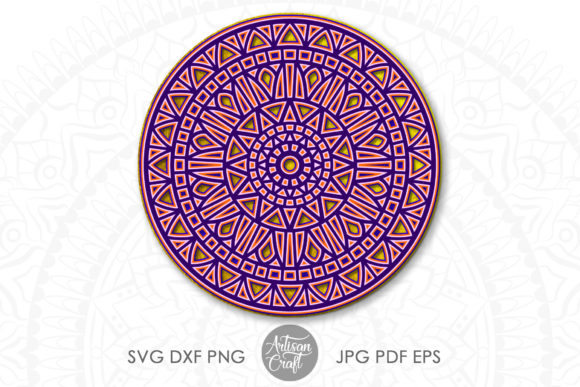
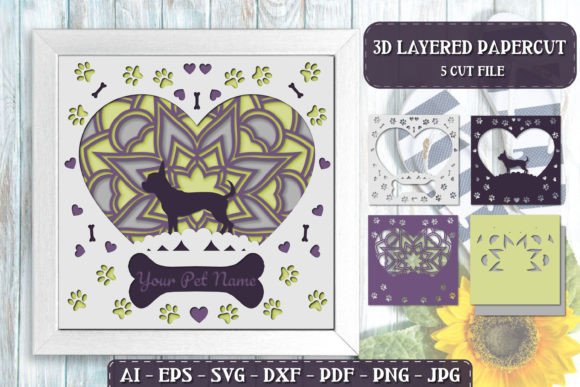
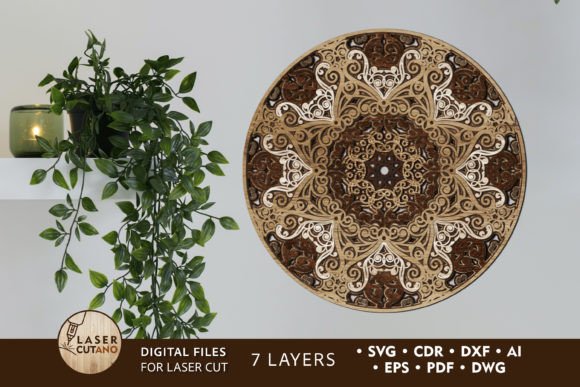
A typical multilayered mandala file, such as the popular "Mandala Feather" design, is structured to be assembled in stages. Each layer corresponds to a specific depth in the final artwork. For instance, a seven-layer design will have seven distinct vector files, each slightly different in pattern density and outer dimensions. When stacked, these layers create a cascading effect, drawing the eye toward the center of the piece. The digital preparation ensures that registration holes or alignment markers are included, which are critical for ensuring that each layer sits perfectly atop the previous one.
For those new to digital fabrication, the variety of file formats can seem overwhelming. However, this versatility is a significant advantage. Whether you use LightBurn, LaserGRBL, Adobe Illustrator, or CorelDRAW, there is a compatible format available. The key is to unzip the downloaded archive and select the file type that matches your software workflow. This flexibility makes Layered MANDALA Laser and Paper Cut accessible to a wide range of users, from those with basic home printers to owners of advanced industrial machinery.
Material Selection and Structural Integrity
One of the most critical decisions in creating layered art is material selection. The choice of material dictates not only the visual outcome but also the structural integrity of the final piece. For a standard 15 x 15 inch finished product, materials such as plywood, MDF (Medium-Density Fiberboard), acrylic, plexiglass, and even cardboard are commonly used. Each material offers unique aesthetic properties.
- Plywood and MDF: These wood-based materials provide a warm, organic feel. They are ideal for rustic or bohemian interior styles. When laser-cut, wood edges darken naturally due to charring, which can add a desirable contrast between layers if left untreated, or be sanded down for a cleaner look.
- Acrylic and Plexiglas: For a modern, sleek appearance, acrylics are unmatched. They allow light to pass through, creating vibrant color interactions when backlit. Using translucent or colored acrylics in alternating layers can produce a stained-glass effect without the fragility of glass.
- Paper and Cardboard: For those without access to laser cutters, or for smaller-scale projects, heavy-weight cardstock and cardboard are excellent alternatives. Hand-cutting or using a die-cutting machine with Layered MANDALA Laser and Paper Cut templates allows for delicate, lightweight art pieces that are easy to hang and ship.
Thickness is another vital consideration. Most multilayered mandala designs recommend a material thickness between 3mm and 6mm. This range provides enough rigidity to hold the shape while allowing for sufficient depth when seven or more layers are stacked. Using material that is too thin may result in a flimsy structure, while material that is too thick can make the assembly bulky and difficult to align.
Practical Applications and Interior Design Impact
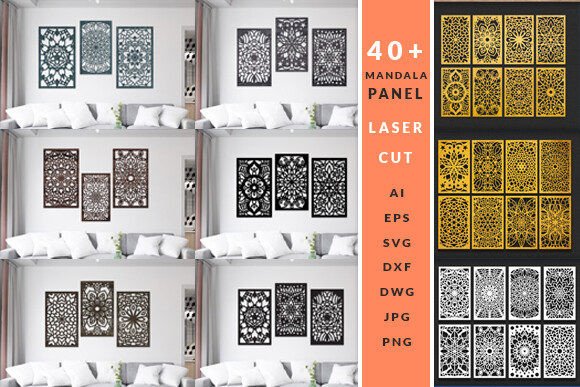
The primary application of Layered MANDALA Laser and Paper Cut art is as a focal point in interior design. In minimalist spaces, a large, intricate mandala adds texture and visual interest without introducing clutter. In eclectic or maximalist rooms, it complements other patterns and colors, serving as a harmonizing element due to its symmetrical nature.
Beyond static wall decor, these designs are increasingly used in functional art. For example, layered acrylic mandalas can be mounted over LED light panels to create luminous night lights or ambient lighting fixtures. The interplay of light through the cut-out sections creates dynamic shadows that change throughout the day, adding a kinetic element to the room. Additionally, smaller versions of these designs are popular as coasters, trivets, or decorative boxes, demonstrating the scalability of the digital files.
For event planners and wedding coordinators, layered paper mandalas offer a cost-effective yet high-impact decoration solution. They can be used as backdrops for photo booths, table centerpieces, or hanging installations. The ability to customize colors to match a specific theme makes them highly versatile for temporary decor needs.
Navigating the Assembly Process
While the digital files do the heavy lifting in terms of design, the assembly process requires patience and precision. Creating a Layered MANDALA Laser and Paper Cut piece is a meditative process that rewards attention to detail. The general workflow involves cutting each layer, cleaning up any burn marks or rough edges, and then stacking them in sequence.
Alignment is the most challenging aspect of assembly. Many digital files include small registration pins or holes that help align the layers. Using dowels, brass pins, or even strong adhesive spacers can ensure that the layers remain perfectly centered. It is recommended to dry-fit the layers before applying any permanent adhesive. This allows you to check the overall depth and make adjustments to the spacing between layers if necessary.
Finishing touches can significantly enhance the final product. Painting the edges of the layers, adding metallic leaf accents, or incorporating backlighting can transform a good piece into a great one. For wood-based mandalas, a clear sealant or varnish protects the material and enhances the grain. For acrylics, polishing the edges restores clarity and brilliance.
Tailoring the Approach to Your Skill Level
Different users will approach Layered MANDALA Laser and Paper Cut projects differently based on their tools and experience. Beginners might start with paper or cardboard, using a craft knife or a basic cutting machine. This low-risk approach allows for experimentation with color combinations and layering techniques without the cost of expensive materials.
Intermediate users with access to diode laser cutters can explore wood and acrylic. They may focus on mastering speed and power settings to achieve clean cuts without excessive charring. Advanced users with CO2 lasers or CNC routers might experiment with mixed media, combining metal sheets with wood, or creating larger-scale installations that require structural reinforcement.
Regardless of skill level, the core principle remains the same: the transformation of digital precision into tactile beauty. The availability of ready-to-cut files in formats like .AI, .SVG, and .DXF democratizes this art form, allowing anyone with a cutting machine to produce professional-grade decor. By understanding the nuances of material, alignment, and finish, creators can produce Layered MANDALA Laser and Paper Cut artworks that are not only visually captivating but also deeply satisfying to create.
In conclusion, the trend of layered mandala art is more than a passing fad; it is a testament to the fusion of traditional geometric artistry with modern manufacturing technology. Whether used to create a serene meditation space, a vibrant living room feature, or a unique gift, these multidimensional pieces offer endless possibilities for creative expression. By leveraging high-quality digital files and selecting appropriate materials, makers can bring the intricate beauty of the mandala into their homes and communities, one layer at a time.