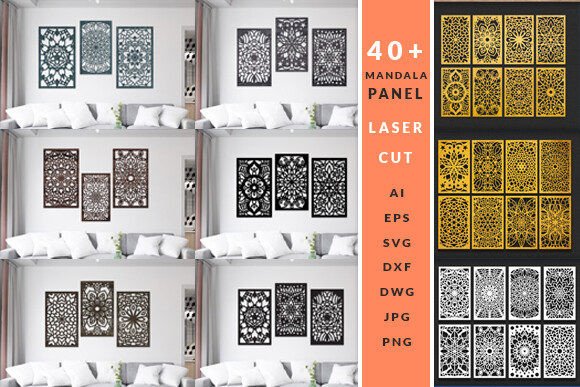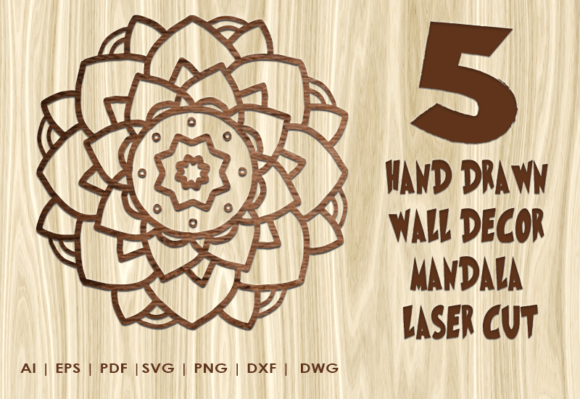
Transforming Spaces with Hand Drawn Wall Décor Mandala Laser Cut Designs
The intersection of traditional artistic expression and modern digital fabrication has opened new avenues for interior design enthusiasts, professional makers, and creative entrepreneurs. Among the most captivating trends in this space is the use of Hand Drawn Wall Décor Mandala Laser Cut patterns. These intricate designs bridge the gap between organic, freehand artistry and the precision of computer-controlled manufacturing. By leveraging digital files specifically optimized for laser cutting, CNC router machines, and other cutting technologies, individuals can transform plain walls into masterpieces of modern art. This approach not only enhances aesthetic appeal but also offers a scalable solution for custom home décor.
The Artistic Appeal of Mandala Patterns in Modern Interiors
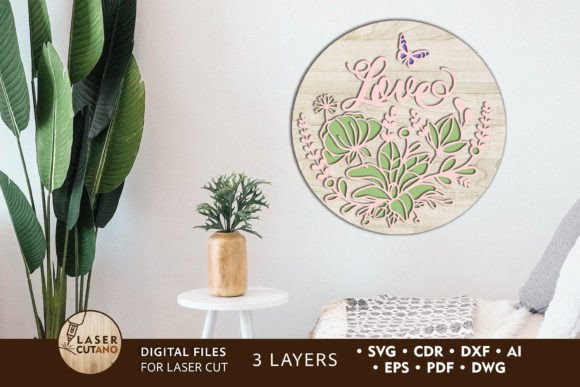
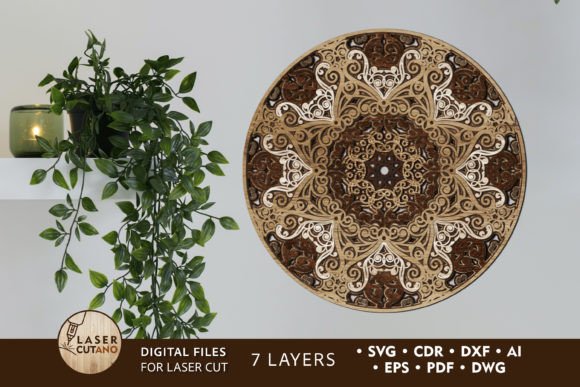
Mandalas have long been symbols of unity, harmony, and spiritual balance in various cultures. In contemporary interior design, they serve as powerful focal points that draw the eye and create a sense of calm and order. When these patterns are rendered as Hand Drawn Wall Décor Mandala Laser Cut pieces, they retain the warmth and imperfection of human touch while benefiting from the structural integrity provided by digital precision. Unlike mass-produced printed posters, laser-cut mandalas offer depth, shadow play, and texture that change with the lighting conditions of a room.
The visual complexity of a mandala allows it to complement a wide range of design styles, from bohemian and eclectic to minimalist and modern. The key lies in the material choice and the scale of the cut. A large-scale wooden mandala can anchor a living room, while smaller, delicate metal or acrylic versions can add subtle elegance to a bedroom or office space. The versatility of these designs makes them suitable for diverse audiences, including homeowners looking to personalize their spaces, educators creating engaging classroom environments, and businesses aiming to enhance their brand atmosphere through unique wall art.
Technical Precision: Understanding File Formats for Cutting Machines
For creators and professionals involved in digital fabrication, the quality of the final product is heavily dependent on the source files. A comprehensive package for Hand Drawn Wall Décor Mandala Laser Cut projects typically includes a variety of vector and raster formats to ensure compatibility with different software and hardware ecosystems. Understanding these formats is crucial for achieving clean cuts and efficient workflows.
- SVG (Scalable Vector Graphics): Ideal for web-based design tools and many consumer-grade laser cutters. SVGs maintain clarity at any size, ensuring that intricate details remain sharp.
- DXF (Drawing Exchange Format): A standard in the CAD industry, DXF files are widely supported by professional laser cutting and CNC software. They are essential for users working with industrial-grade machinery.
- DWG (Drawing): Similar to DXF but native to AutoCAD, DWG files are preferred by architects and engineers who may integrate mandala designs into larger structural or decorative plans.
- AI (Adobe Illustrator): For designers who wish to modify or customize the mandala elements, AI files provide full editability within Adobe’s ecosystem, allowing for adjustments to line weights, nodes, and layers.
- EPS (Encapsulated PostScript): A versatile vector format compatible with many graphic design applications, EPS files are useful for both cutting and high-quality printing applications.
- PNG (Portable Network Graphics): High-resolution PNGs are included for preview purposes, digital mockups, or for users who may want to print the design rather than cut it.
- PDF (Portable Document Format): PDFs offer a universal way to view the design layout and can sometimes be used directly for cutting depending on the software capabilities.
Having access to five files of each type ensures that users have backups and alternatives if one format does not render correctly in their specific workflow. This redundancy is particularly valuable for professional shops where downtime due to file incompatibility can result in lost productivity.
Material Considerations and Fabrication Techniques
The choice of material significantly influences the final appearance of a Hand Drawn Wall Décor Mandala Laser Cut piece. Each material interacts differently with laser beams and CNC bits, requiring adjustments in power, speed, and tool paths.
Wood and Plywood: Wood is perhaps the most popular medium for mandala wall art due to its natural warmth and ease of cutting. Birch plywood, in particular, offers a smooth surface and consistent density, which results in clean edges with minimal charring. When using wood, it is important to consider the grain direction, as it can affect the structural strength of thin, intricate parts of the mandala.
Acrylic and Plastics: For a more modern, sleek look, acrylics provide a glossy finish and vibrant color options. Laser cutting acrylic produces polished edges, eliminating the need for post-processing. However, designers must ensure that the mandala design accounts for the brittleness of certain plastics, avoiding overly fragile connections between pattern elements.
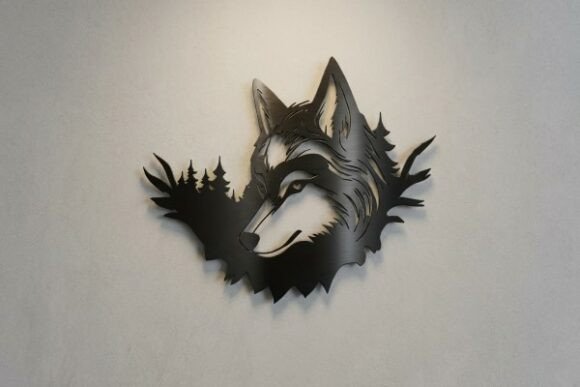
Metal: While requiring more robust machinery such as plasma cutters or fiber lasers, metal mandalas offer durability and an industrial aesthetic. Steel, aluminum, and brass can be used to create striking outdoor installations or high-end interior features. The design files must be optimized for the kerf width of the cutting tool to ensure proper fit and assembly if multiple layers are involved.
Practical Applications and Use Cases
The utility of Hand Drawn Wall Décor Mandala Laser Cut designs extends beyond simple home decoration. Professionals across various industries can leverage these digital assets to create value-added products and services.
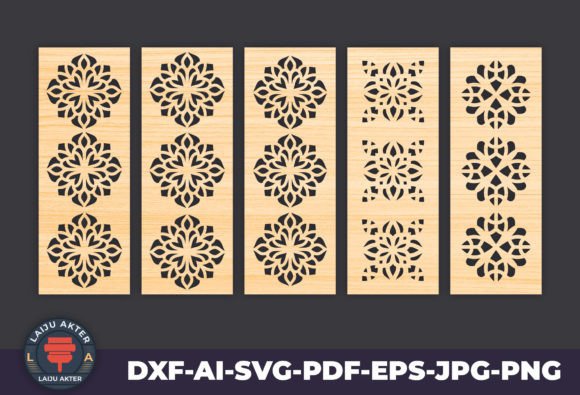
Interior Designers and Architects: These professionals can use mandala cutouts as room dividers, ceiling accents, or feature walls. The ability to scale vector files without loss of quality allows for customization to fit specific architectural dimensions. For instance, a large-scale wooden mandala can serve as a headboard in a hotel suite, providing a unique branding element.
Educators and Workshop Leaders: In educational settings, mandala cutting projects can teach students about geometry, symmetry, and digital fabrication. Teachers can use the provided PNG and PDF files for theoretical lessons on pattern design before moving to hands-on cutting exercises with safer materials like cardboard or foam board.
Etsy Sellers and Small Business Owners: For entrepreneurs, offering custom mandala wall art can be a lucrative niche. By purchasing a commercial-use license for these digital files, sellers can produce inventory on demand, reducing storage costs. The variety of file formats allows them to cater to customers who may have different preferences for materials or finishes.
Workflow Optimization for Creators
Efficiency is key when producing multiple units or complex designs. Starting with the appropriate file format can streamline the production process. For example, using DXF or DWG files directly in CAM software reduces the need for conversion steps that might introduce errors. Designers should always inspect the vector paths for open nodes or overlapping lines before sending the job to the machine, as these issues can cause the cutter to behave unpredictably.
Additionally, organizing files into folders by format and project name helps maintain a tidy digital workspace. When working with Hand Drawn Wall Décor Mandala Laser Cut designs, it is beneficial to create test cuts on scrap material to fine-tune machine settings. This practice ensures that the final product meets quality standards and minimizes material waste.
Enhancing Home Aesthetics with Custom Art
For the individual homeowner, the allure of creating a custom piece of art lies in the personalization. Unlike store-bought décor, a laser-cut mandala can be tailored to match specific color schemes, room sizes, and personal tastes. The process of selecting the material, finishing it with stains or paints, and mounting it on the wall adds a layer of personal investment that enhances the emotional connection to the space.
Moreover, the tactile nature of laser-cut art invites interaction. Viewers can appreciate the craftsmanship up close, noticing the precision of the cuts and the interplay of light and shadow. This sensory experience transforms a static wall into a dynamic element of the room’s ambiance. Whether used in a meditation corner, a living room, or a home office, these pieces contribute to a environment that feels curated and intentional.
In conclusion, the availability of high-quality digital files for Hand Drawn Wall Décor Mandala Laser Cut projects empowers a wide range of users to engage with digital fabrication. From the technical aspects of file management to the creative possibilities of material selection, these designs offer a versatile platform for artistic expression. By understanding the nuances of the tools and materials involved, creators can produce stunning works of art that elevate any space.