Strategic Design Implementation: Leveraging the Dog SVG File for Cricut and 3D Shadowbox Projects
In the evolving landscape of digital fabrication and creative entrepreneurship, the distinction between a simple craft project and a viable product line often lies in the quality of the underlying assets. The Dog SVG File for Cricut and its corresponding Dog 3D Shadowbox design represent more than just aesthetic choices; they are foundational tools for creators aiming to streamline production while maintaining high artistic standards. For professionals, hobbyists, and small business owners, understanding how to strategically deploy these vector models can significantly impact operational efficiency, brand positioning, and customer satisfaction.
This layered design is engineered for precision across a spectrum of cutting technologies, including CNC machines, laser cutters, Silhouette Cameo devices, and Cricut units. By utilizing a comprehensive digital package that includes SVG, AI, PNG, and DXF files, creators ensure compatibility with their specific hardware workflows. However, the true value emerges not merely from possessing the file, but from integrating it into a broader strategic framework that considers material selection, market demand, and production scalability.
Optimizing Workflow Through Versatile File Formats
The cornerstone of efficient digital fabrication is file versatility. A robust digital product offering must accommodate the diverse technical requirements of different cutting machines. The inclusion of SVG, AI, PNG, and DXF formats in the ZIP archive provided after payment ensures that users are not constrained by software limitations or hardware incompatibilities. This flexibility is critical for decision-makers who manage multiple production lines or collaborate with partners using different technological stacks.
- SVG (Scalable Vector Graphics): Ideal for web-based cutting software like Cricut Design Space and Silhouette Studio, ensuring clean lines and scalable dimensions without pixelation.
- AI (Adobe Illustrator): Provides native compatibility for professional designers using Adobe Creative Cloud, allowing for deeper customization and integration into broader branding materials.
- DXF (Drawing Exchange Format): Essential for users operating industrial CNC machines or older CAD software, bridging the gap between hobbyist crafts and industrial manufacturing.
- PNG (Portable Network Graphics): Useful for previewing designs, creating marketing assets, or utilizing print-and-cut features where raster images are required alongside vector cuts.
By standardizing on a multi-format asset like the Dog 3D Shadowbox, creators reduce the time spent on file conversion and troubleshooting. This operational efficiency allows for greater focus on value-added activities such as marketing, customer engagement, and product development. Furthermore, the ability to request other file types if needed demonstrates a commitment to user-centric service, fostering long-term loyalty among clients who rely on consistent technical support.
Material Selection and Strategic Positioning
The choice of material fundamentally alters the perceived value and functional application of the final product. The Dog SVG File for Cricut is designed to work with a wide array of substrates, including cardboard, paper, plastic, metal, plywood, wood, and MDF. Each material offers distinct strategic advantages depending on the target audience and intended use case.
For instance, using cardstock or heavy paper creates an accessible, low-cost entry point for hobbyists and gift-givers. These materials are ideal for rapid prototyping and low-risk market testing. Conversely, employing plywood, MDF, or metal elevates the product into the realm of durable home decor or commercial signage. This shift in materiality allows businesses to target higher-end markets, justify premium pricing, and establish a brand identity centered on longevity and craftsmanship.
When planning production runs, consider the following strategic implications of material choice:
- Cost vs. Margin: Paper-based projects have lower material costs but may require higher volume to achieve significant profit. Wood and metal involve higher upfront costs but offer substantially higher margins per unit.
- Durability and Use Case: Indoor decorative items may suffice with paper or cardboard, while outdoor or high-traffic installations necessitate weather-resistant plastics, metals, or treated woods.
- Machine Capability: Ensure your cutting equipment is rated for the chosen material. Laser cutters excel with wood and acrylic, while blade-based machines like Cricut are optimized for paper, vinyl, and thin cardboard.
Understanding these variables enables creators to make informed decisions that align with their business goals. Rather than randomly selecting materials, a strategic approach involves matching the substrate to the customer’s expectations and the product’s intended lifecycle.
Enhancing Customer Experience Through Layered Design
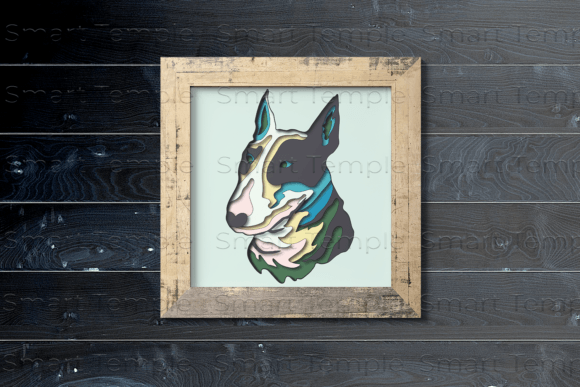
The Dog 3D Shadowbox leverages layered design principles to create depth and visual interest, transforming a two-dimensional vector into a tangible, three-dimensional object. This complexity enhances the customer experience by delivering a product that feels bespoke and intricate, even when produced through automated processes. For educators and workshop leaders, this design serves as an excellent tool for teaching spatial reasoning, design thinking, and precision crafting.
From a branding perspective, offering complex, layered designs positions a creator as an expert in their field. It signals attention to detail and a commitment to quality. When customers receive a well-engineered shadow box that assembles seamlessly, their trust in the brand increases. This trust is crucial for repeat business and word-of-mouth referrals, which are vital drivers of growth for small businesses and freelancers.
Moreover, the customizable nature of vector files allows for personalization, a key trend in modern consumer goods. By adjusting colors, sizes, or adding text elements within the AI or SVG files, creators can offer personalized versions of the Dog SVG File for Cricut. This capability addresses the growing demand for unique, individualized products, thereby enhancing customer satisfaction and competitive differentiation.
Risk Management and Intentional Use
While digital assets offer immense potential, relying on them without clear goals or context introduces risks. One common pitfall is the "commodity trap," where creators compete solely on price because their products lack distinctiveness. To avoid this, it is essential to use the Dog 3D Shadowbox intentionally. This means considering how the design fits into a broader product ecosystem or brand narrative.
Another risk involves technical misalignment. Attempting to cut complex layered designs on inappropriate materials or with poorly calibrated machines can lead to wasted resources and frustrated customers. Before launching a product line based on this vector model, conduct thorough testing. Verify cut settings, weedability, and assembly ease. Document these findings to create standard operating procedures (SOPs) that ensure consistency across production batches.
Additionally, intellectual property considerations must be addressed. Ensure that the license accompanying the digital product permits the intended commercial use. Respecting licensing terms not only avoids legal complications but also supports the ecosystem of designers who create these valuable resources.
Long-Term Value and Scalability
Investing in high-quality, versatile design assets like the Dog SVG File for Cricut contributes to long-term business sustainability. Unlike transient trends, well-executed classic designs maintain relevance over time. The dog motif, for example, appeals to a broad demographic of pet owners, making it a perennial seller rather than a seasonal novelty.
Scalability is further enhanced by the digital nature of the product. Once the initial setup and testing phases are complete, reproduction costs are minimal. This allows businesses to scale production up or down in response to market demand without significant capital expenditure. For entrepreneurs, this flexibility is invaluable in navigating economic fluctuations and shifting consumer preferences.
Furthermore, the skills developed through working with layered vector designs are transferable. Mastery of SVG manipulation, material science, and machine operation empowers creators to expand into new product categories. The strategic insights gained from launching a shadow box line can inform future decisions regarding product development, marketing strategies, and operational improvements.
In conclusion, the Dog 3D Shadowbox and its associated file formats are not merely digital downloads; they are strategic assets. By approaching their use with intentionality, focusing on material quality, and aligning production with clear business goals, creators can unlock significant value. Whether you are a freelancer looking to diversify your offerings, a small business owner aiming to optimize operations, or an educator seeking engaging projects, thoughtful integration of these design tools can drive better results and foster sustainable growth.